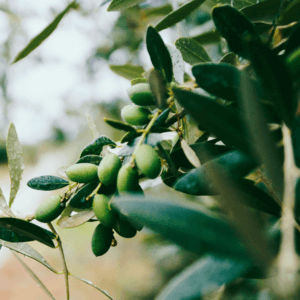

In the old days, olives would be “pressed” between stone wheels. This is where the term “Cold Pressed” comes from.
Majority of oils are now centrifuged. Up to 14-18% of an olive is oil.
You could increase the amount of oil you get from the olive if you heat up the pulp. However, by doing this you decrease the quality of the oil. This is because the Polyphenols would drop and the free fatty acids would rise. In other words, the subtle flavours in the olive oil would drop and the amount of rancidity will increase.
While we are not aware of local (South African) farmers heating their pulp, the threshold above which pulp should not be heat is 30°C, which is a summer day in February or March. Some might therefore argue that the refining of cold-pressed oil doesn’t change the fact that it was cold pressed.
It is our humble opinion however, that because the process of refining oil involves heat, regardless of the weather, the oil therefore loses its cold-pressed status.

Biltong and Caprese Salad with Olive Oil Balsamic Dressing
A proudly South African take on a classic Italian salad — this Biltong and Caprese Salad with Olive Oil Balsamic Dressing is simple, fresh, and full of flavour.

How to Create The Best Cheese Board
It’s summer time, and even though we might be restricted in where we can go thanks to Covid, we can still do quick and easy

Olive Crusted Sole
Ingredients 2 x lemon sole, about 700g each, de-scaled 90ml Wilson’s Extra Virgin Olive Oil, plus oil for brushing Salt and Ground Pepper Finely grated

Extra Virgin Olive Oil Chocolate Pots
Chocolate Pots Ingredients 200ml Double Cream 40ml Whole Milk 200g 70% Dark Chocolate, chopped 30ml Wilson’s Extra Virgin Olive Oil, plus extra to serve

The Glenda Doller Chocolate Cake
Cake Ingredients 2 cups flour 2 cups sugar Pinch of salt 5ml bicarbonate of soda 125g butter or margarine 1 cup water ½ cup Wilson’s

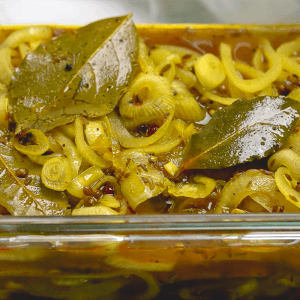
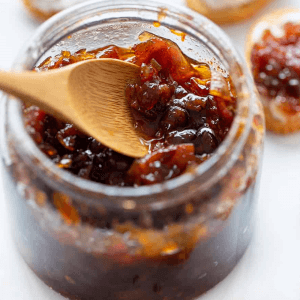
Onion Jam
Onion Jam Ingredients: 7 large onions 1/4 cup Wilson’s Extra Virgin Olive Oil 1/4 cup Wilson’s Balsamic Vinegar 1/2 cup vinegar 3/4 cup sugar